The Effectiveness of Mind Mapping in Enhancing Students Learning Outcomes in Islamic Education
Keywords:
Mind Mapping, Islamic Education, Teaching Strategies, Educational InnovationAbstract
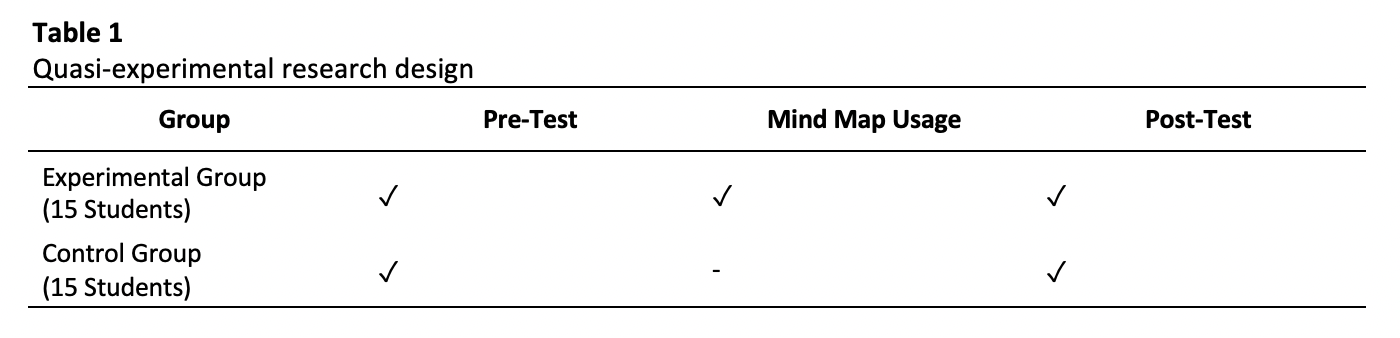
This study was conducted to evaluate the effectiveness of the mind mapping approach in enhancing students’ learning in the subject of Islamic Education. The study involved 30 students in Year 3 from a primary school in the district of Tanah Merah, Kelantan. The problem arose from the need to improve students’ comprehension and mastery of Islamic Education concepts, which were often considered less effective when taught using traditional teacher-centred methods. Based on observations, it was found that most students had difficulty concentrating during teaching and learning sessions, showed unsatisfactory responses to teacher’s questions, and exhibited weak abilities to relate new information to prior knowledge. As a result, learning outcomes were uneven, and students’ mastery of certain topics remained at a moderate level. Therefore, mind mapping was proposed as an innovative technique to help students organize and connect information visually, thereby increasing motivation and learning achievement. This qualitative with quantitative study used a quasi-experimental design involving an experimental group taught using the mind mapping method and a control group receiving traditional teaching. A pre-test and post-test approach was employed to measure changes in student achievement before and after the intervention during the teaching sessions. The quasi-experimental design was chosen because it fits the school context, which limits full random sampling implementation, yet it still provides strong evidence of cause-and-effect relationships. Data were analyzed descriptively to obtain mean, standard deviation, frequency values, and percentages. The findings showed that the experimental group recorded a significant improvement in achievement compared to the control group after learning with the mind mapping approach. These results support the hypothesis that mind mapping can enhance concept understanding and facilitate the teaching and learning process through visualization and better organization of information. The findings relate to visual learning and constructivist theories that emphasize active student involvement in building their own knowledge structures. It is clear that the mind mapping approach is effective in strengthening Islamic Education learning among students. The implication of this study is that teachers are encouraged to adapt mind mapping techniques in teaching to improve the quality of learning.