Use of Kahoot! as an Active Learning Strategy for Year 4 Students in Science Subject at a Primary School in Sarawak
Keywords:
Kahoot!, active learning, gamificationAbstract
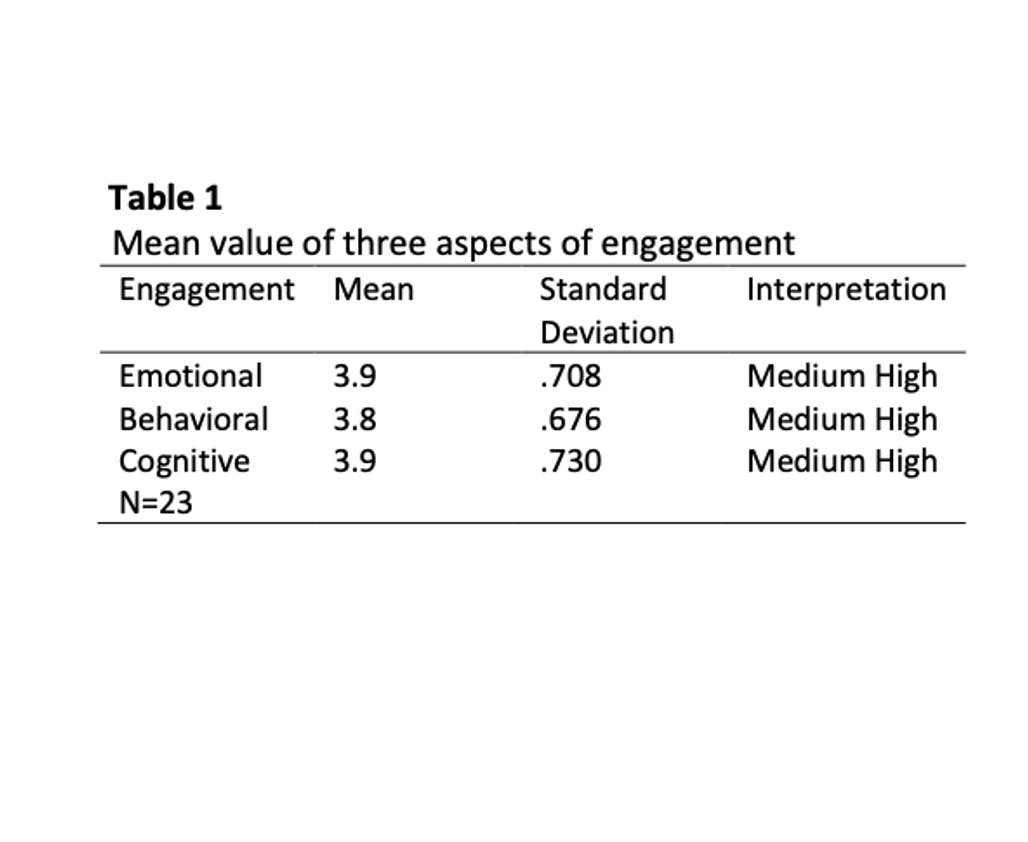
The Implementation of the Digital Education Policy reflects the commitment of the Ministry of Education of Malaysia in strengthening the integration of technology in teaching and learning. In line with this initiative, this action research was conducted to evaluate the effectiveness of using the Kahoot! application as an interactive gamification-based learning tool to improve the focus, engagement and achievement of Year 4 students in science subjects in a rural primary school in Sarawak. Guided by the Kemmis and McTaggart Model, this study used a mixed methods design involving 25 students and two teachers through two cycles of action research. Quantitative data was collected through student engagement questionnaires, while qualitative data was obtained through observations, interviews and teacher reflection journals. The findings showed a significant increase in students’ emotions (mean=3.91), cognitive (mean=3.90) and behavioral (mean=3.80) engagement. More than 80% of students were actively involved in learning by showing higher focus, motivation and cooperation. Thematic analysis identified four main themes, fun in learning, positive competition, engaging visuals, and meaningful interaction that illustrate the motivational and social effects of gamification-based learning. The study concluded that the use of Kahoot! positively encouraged active learning, reduced passive behavior, and improved students' understanding of science concepts. This method also assisted teachers manage the classroom and evaluate students' understanding in actual time, in line with 21st century learning practices. These results propose that gamification-based plans can be used as an innovative and inclusive alternative to address student engagement problems in remote schools and create digitally well-educated students.